Hamnet [2025]
“I saw a landscape… Spaces, caves, cliff tops, tunnels and oceans… This deep dark black void, undiscovered countries.”
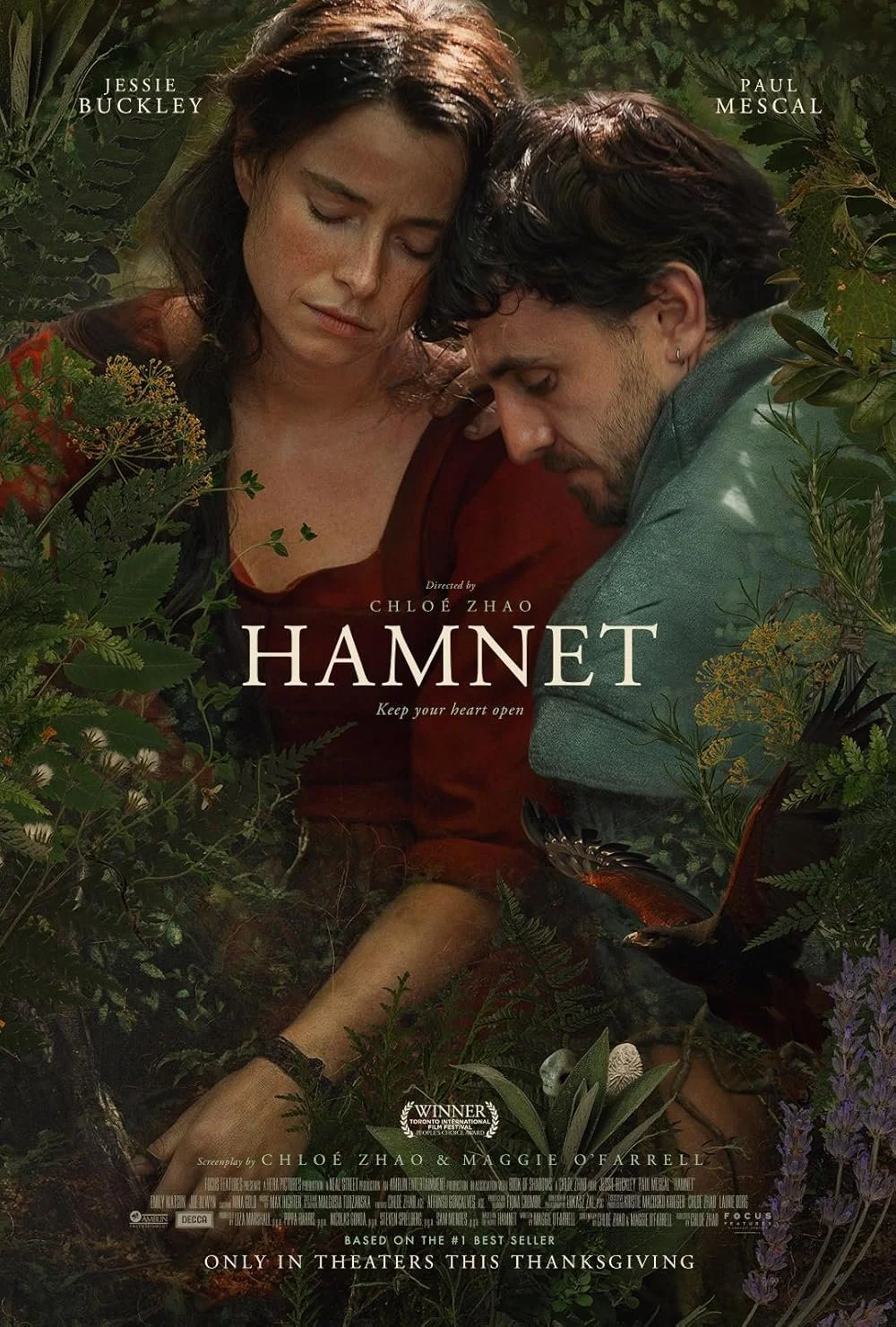
The newest feature film from writer/ director Chloé Zhao [Nomadland], Hamnet tells the speculative story of how Shakespeare created the famous Hamlet, and how the people surrounding him influenced this timeless piece of writing. Head and shoulders above her peers, Jessie Buckley puts on a performance you’ll not soon forget as she’s supported by the ever-powerful Paul Mescal to create a tragedy becoming of the very man this film is about. To be, or not to be, that is not the question here, because there’s simply nothing you ought to be doing other than getting hurt by this film.
Happily married with their three children, Agnes and William are both creatures of their own worlds; She a healer, sometimes called a witch, and he a writer, often at odds with his family’s wishes of standard employ. When tragedy strikes at the hand of plague, however, both of these vibrant creatures are tested to their limits. Will they crumble and fall like so many around them, or will they create love anew, thriving in a world without ever being whole again?
Hamnet is a rare film. One that encapsulates and enthralls without insistence or gimmick or trick. Simply by existing in its beautiful world and engaging with its beautiful patrons… You are there. You are present in their struggles and triumphs, you feel their woes and victories; Each step they take is your own, and each breath you breathe belongs to them in turn. To call what Chloé Zhao has created here “bewitching” might be accurate, but it also might miss the mark entirely… As the magic that word suggests robs both Zhao and all those onscreen of the very tangible and mortal experiences they offer us during this film’s nearly invisible 125-minute runtime. Having just watched other Oscar hopeful, The Secret Agent, it’s shocking to me that these two films are being nominated in the same universe, much more the same category. Sporting 8 total nominations — Casting, Score, Picture, Directing, Leading Actress, Adapted Screenplay, Production Design, and Costume Design — my only complaint is that cinematographer Lukasz Zal [The Zone of Interest, I’m Thinking of Ending Things] has somehow been omitted from that list, as Hamnet is one of the most visually striking and beautiful films I have seen in years.
Vesseled by an incredible score from the always moving Max Richter [probably most known for his composition “On the Nature of Daylight”], Hamnet is the uncommon historical fiction that remembers to tell the story of the thing, not just showcase the thing itself. This is a problem that I often run into with both satire and biopics, and you’ve all heard me complain about over and over. Things like Fresh, Don’t Look Up, and The Menu provide biting commentary of their subjects, sure, but they don’t provide anything in terms of storytelling or narrative to exist outside their hyper-specific spheres and jibes, while bios like The Imitation Game, Beautiful Boy, and Argo leave me wondering, “Ok, but what really happened?”. It may be a little tangential to compare Hamnet to some of those things as it’s more of a “historical fiction” than it is a “biopic” [and it’s not a “satire” at all, those just suffer from the same issues], but I think it speaks highly of the film’s sense of self that I was never left wanting in terms of “truth”; I was happy to sit with what the narrative gave me and linger on the questions it left. Was Agnes actually a “seer”? Did William really tell his son to avoid his grandfather so he wouldn’t beat the boy? Did Hamnet and his sister really swap clothes and play tricks on their parents? Because of the strength of this film’s own unique identity, none of these questions of “truth” matter; the story written creates the world in which we live, and that world is alive and deep and absolutely lovely to be a part of. After all, “If we are true to ourselves, we can not be false to anyone,” and for all of whatever Hamnet’s fiction may be, there’s a truth that’s twice as real.
He loves me for what I am, not what I ought to be.
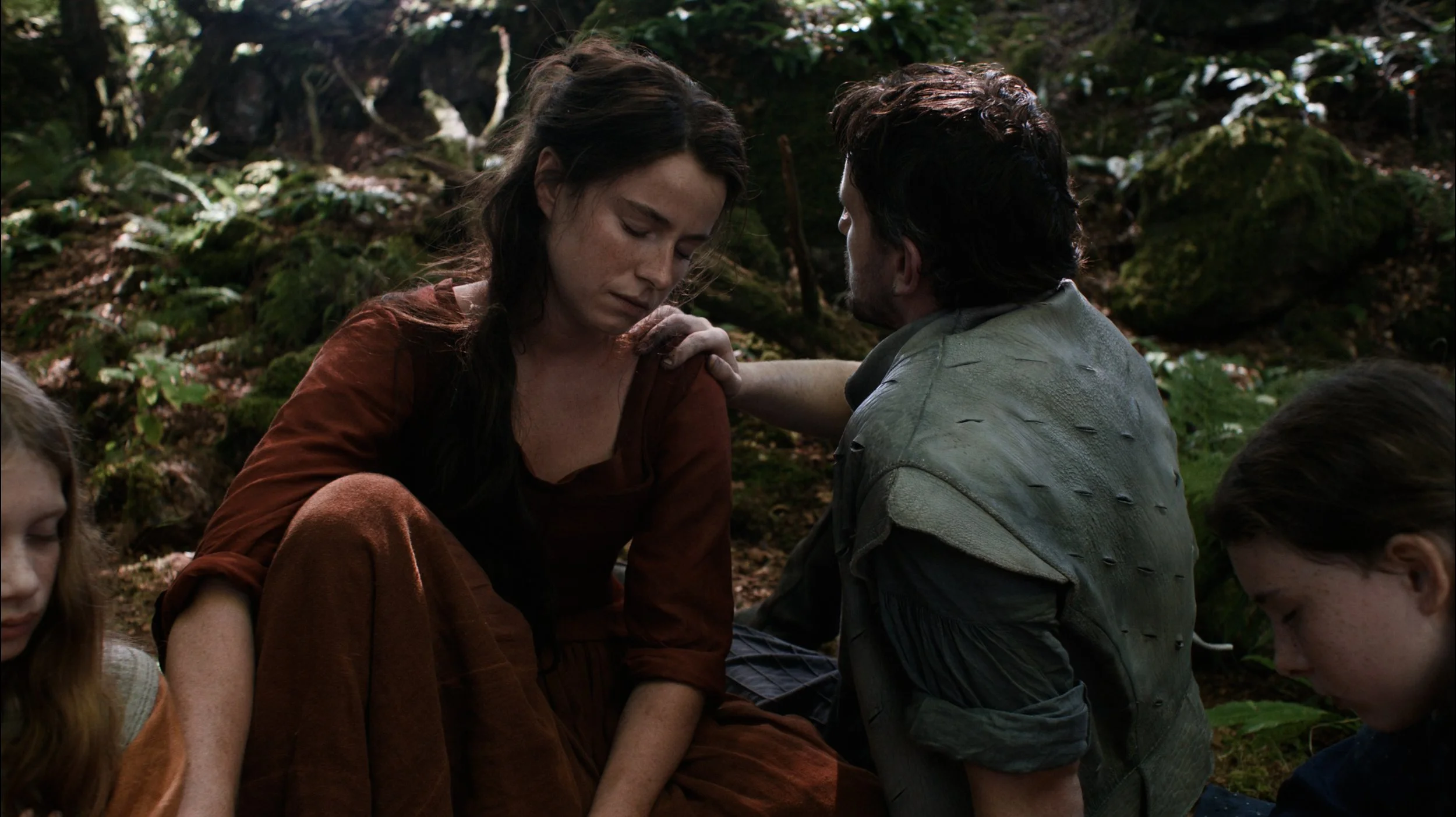
I think there’s something to be said for movies like this — tales woven from the bones and needs and wants and loves of real people with real histories — that manage to be moving and compelling without requiring either pre-search to understand who/ what you’re watching, or re-search to further contextualize what you just saw. Coming to mind immediately on that front is my 2023 #6, Spencer… One of the few biopics I’ve ever deeply loved. Similar to that film, the performances of all onscreen feel less like written characters and more like visualized emotions; Things wrought from energy and feeling rather than pen and paper. Agnes and Will both feel simultaneously like personifications of maddeningly trapped souls within a mundane world, and your neighbor who you’ve lived next to for 20-years. Their children are ones who go to a school down your street, while also being some sort of shared experience of youth and wonder, inspiring us all to be better, braver. There’s something about the way Lukasz Zal has shot this film that makes every location feel at once entirely mundane in its green-leafed and brown-mudded mundanity, and fantastically mystical with breathtaking framing and contrasting colors against dark and looming shadows. For a story about real people who did real things, Hamnet carries within its veins an arcane power not often seen within this space, yet alone the realms of dream or longing.
For all I loved about this experience, there are a couple foibles to mention as well, however. Though the music is great throughout, the aforementioned “On the Nature of Daylight” is such an iconic piece that it’s almost becoming the Wilhelm Scream of scores, and [outside of its use in 2016’s Arrival] it’s incredibly distracting… Even though it is still effective. This is compounded here in Hamnet because the rest of the music is so good that, when the opening draws to Daylight inevitably begin, you’re no longer immersed in the world Zhao and co. have created, instead being taken back to whatever you associate that piece of music with. It’s an incredibly weird choice for everyone involved to have made, and probably the only part of the film that I’d even dare to call anything close to “lazy”. You’ve already written so much great music for this film… Why resort back to a premade clip when we’re only 5-minutes from the end? Another thing worth mentioning is some of the early pacing that might throw viewers for a loop. You definitely have to let this one settle into its stride a little bit, as the beginning is very clearly focused on getting to the middle. That said… My only other minor complaint is an editing change I would have made near the end, but that’s more a taste thing than a “need”. Even the child actors are great in this and lend such an air of authenticity that it makes me almost wish they were in it more.
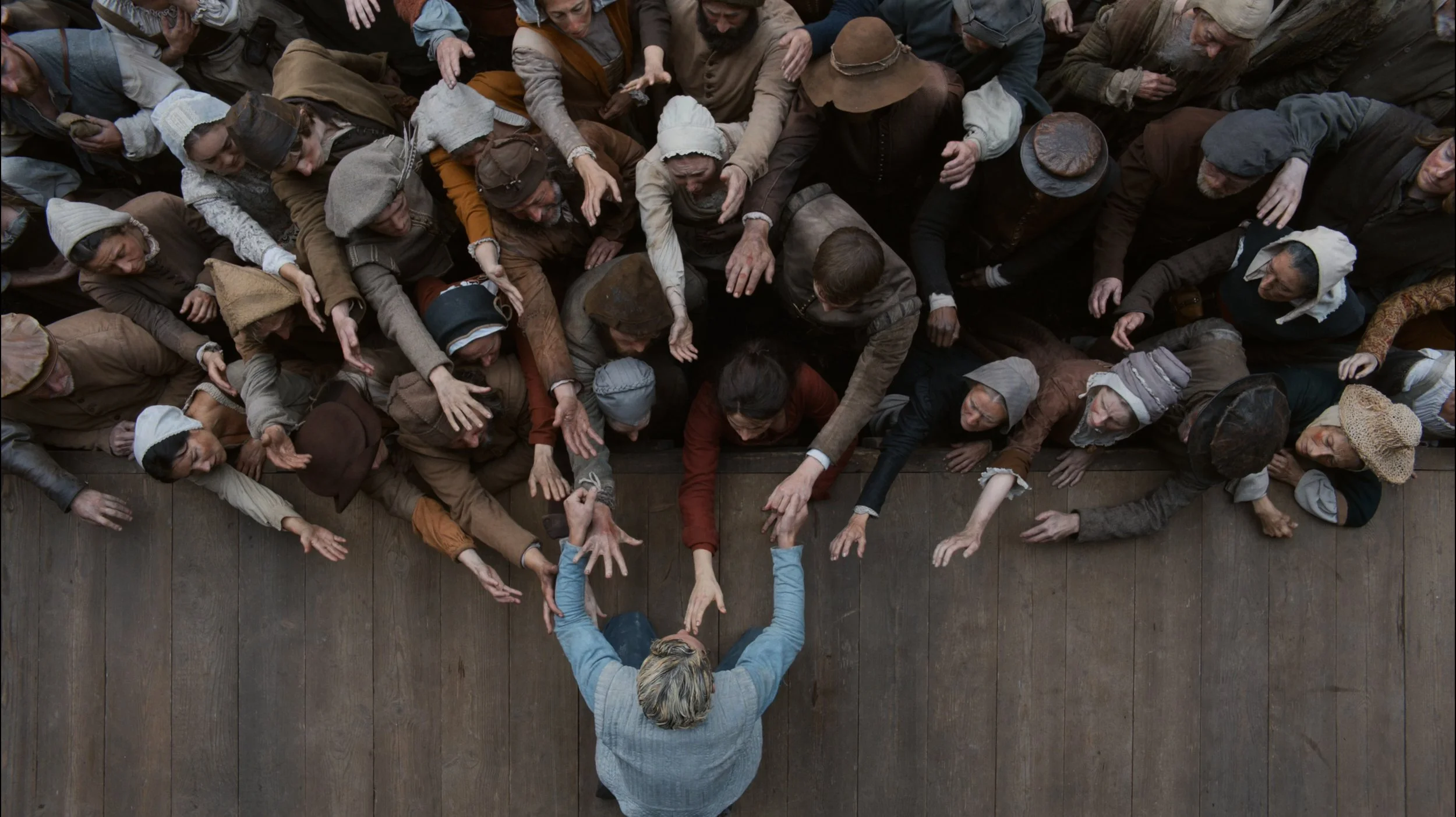
Based on a novel of the same name by Maggie O'Farrell, Hamnet is a film that transcends its medium and will live with me for a long time. It’s a tale of love, a story about celebrating your truth and the truths of those around you, a tragedy of loss and rending wounds never to be healed, and a woefully real depiction of the power of art and expression. Chloé Zhao has unleashed a force here that I hope many, you included, will make the time to behold as the intimacy herein recalls that of my affection for the above-mentioned Spencer, a strangeness similar to my 2022 #1, You Won’t Be Alone, and is moving and painful in ways redolent of another of my #1 pics, Aftersun. I said earlier that using the term “bewitching” to describe what it is that Hamnet manages is to rob it of the talented people who worked so hard to make it happen, but I simply don’t know another way to put it. So maybe… Maybe I just won’t.